
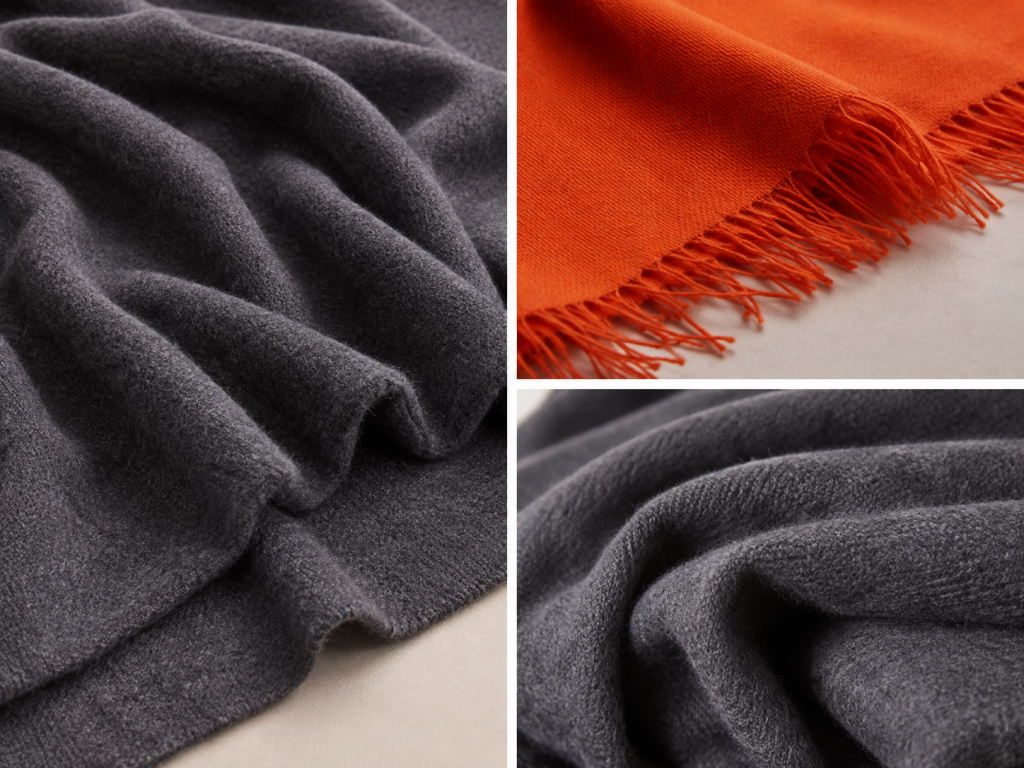
Good cashmere is not simply the piece that feels the softest for five seconds in a shop. The real test is quieter. It is how the cashmere feels after a full day of wear, how it falls on the body, how it keeps warmth without weight, and how well the surface holds its calm, refined character over time.
Cashmere has a special place in a wardrobe because it can feel luxurious without looking loud. However, quality is not about one detail alone. It comes from the fibre, the yarn, the knit structure, the finishing, the shape and the care taken during production.
Good cashmere has softness with substance
The first thing most people notice is softness. That matters, but softness on its own is not enough. Good cashmere should feel gentle against the skin, yet it should not feel weak, limp or over-fluffed. The best pieces have a soft handle with enough body to hold their shape.
This balance is important because cashmere is often worn close to the neck, around the shoulders or as a layer over everyday clothes. A piece such as Ochre’s Cashmere Shawl shows this well: it is light enough to fold and carry, but generous enough to wrap, drape and add real warmth when the air cools.
The surface should look calm, not overly brushed
Very fluffy cashmere can look appealing at first, but an overly brushed surface may not always be the most practical choice for regular wear. A calmer surface often feels more refined and can make a piece easier to style. It also allows the quality of the yarn, the drape and the shape to do the work, rather than relying on a temporary cloud-like finish.
Good cashmere does not need to shout. It should look soft, clean and quietly tactile. When a scarf, shawl or cardigan has a smooth, even surface, it becomes more versatile because it can sit with denim, tailoring, dresses or outerwear without looking too delicate.
Gauge and ply should match the purpose
Good cashmere is also about choosing the right construction for the way the piece will be worn. Gauge refers to the density of the knit, while ply refers to the number of yarn strands twisted together. A finer gauge can feel smooth and lightweight; a heavier ply can give more warmth, body and structure. Ochre’s Cashmere Knit Gauge & Ply Guide explains how different combinations change weight, texture and warmth.
For example, a fine cashmere scarf needs a different character from a long cardigan or a large wrap. The aim is not always to choose the thickest piece. It is to choose the right weight for the job: fine and neat for layering, generous for wrapping, or more substantial when warmth and coverage matter.
Good cashmere has natural drape
Drape is one of the easiest ways to recognise a beautiful cashmere piece. It should not feel stiff, papery or flat. It should fall softly, gather easily and move without looking untidy. This is especially important in larger pieces such as wraps and shawls because the fabric needs to sit comfortably across the shoulders and fold naturally around the body.
The Cashmere Travel Wrap is made for this kind of use. It is a 2-ply 100% cashmere piece with generous coverage, designed to be wrapped around the shoulders, folded for travel or used as a soft layer through the day. A good wrap should feel useful as well as luxurious.
Shape and finishing matter as much as fibre
Cashmere quality is not only found in the fibre itself. It is also found in the way a garment is shaped and finished. Seams should feel comfortable. Edges should sit neatly. Pockets, hems, cuffs and collars should make sense for the design. When these details are right, the piece feels easier to wear and easier to keep in the wardrobe for years.
Ochre’s Haven Cashmere Hooded Cardigan is a useful example of cashmere used as a true garment, not just a soft surface. Its long length, hood, patch pockets and simple shape show how construction turns softness into something practical and wearable.
Good cashmere is made with care, not speed
The making process matters. Cashmere that is carefully knitted, assembled and finished has a different feeling from something produced only for speed. Ochre’s work is closely connected to Kathmandu, where the brand’s knitwear is made through skilled hand-machine production and hand finishing. You can read more about that background on Ochre’s Kathmandu story.
This does not mean every piece has to look handmade in an obvious way. Instead, the care should be felt in the proportions, the finish and the way the garment settles when worn. Good cashmere should feel considered before it feels decorative.
How to choose good cashmere for your wardrobe
Before buying cashmere, think about how you want to use it. A shawl may be the best choice if you want one flexible layer for evenings, travel and indoor warmth. A wrap may be better if you want generous coverage. A cardigan may work harder if you want a garment that can replace a light coat or sit over everyday outfits.
Then look at the details: softness, weight, drape, finishing and how the piece sits with the clothes you already own. Good cashmere should not feel like something you save only for special occasions. It should feel special enough to keep, but useful enough to wear often.
That is what makes cashmere truly good: not just the luxury of the fibre, but the quiet confidence that the piece will earn its place in everyday life.
FAQ
How can you tell if cashmere is good quality?
Good quality cashmere should feel soft but not weak, with a calm surface, natural drape and enough body to hold its shape. Finishing, seams, edges and construction also matter.
Is thicker cashmere always better?
No. Thicker cashmere can be warmer, but the best choice depends on how the piece will be worn. A fine scarf, a travel wrap and a long cardigan each need a different weight and structure.
Should good cashmere feel very fluffy?
Not always. A very fluffy surface can feel appealing at first, but a smoother, calmer cashmere surface can be more refined and easier to wear regularly.
What does ply mean in cashmere?
Ply refers to the number of yarn strands twisted together. More ply usually gives a thicker, warmer and more structured knit, while finer ply can feel lighter and smoother.
Is 100% cashmere better than a cashmere blend?
It depends on the purpose. Pure 100% cashmere gives the full softness and warmth of the fibre, while a good blend can offer a different balance of softness, structure, durability and price.


