
Our approach
Sustainable Knitwear, Made With Purpose
For Ochre, sustainability means knowing who makes our clothes, choosing fibres carefully, avoiding needless waste and creating knitwear that earns a long place in your wardrobe.

Sustainability with substance
Our responsibility starts before a garment reaches the rail
No clothing is entirely without impact. Our job is to understand that impact, make thoughtful choices and be clear about the practices we can genuinely stand behind.
Ochre Knitwear is a family-run British brand with deep roots in Nepal. Because our knitwear is made within our own Kathmandu production sites, the people, techniques and quality behind each piece are not distant from us. This close relationship shapes how we source, make and improve.
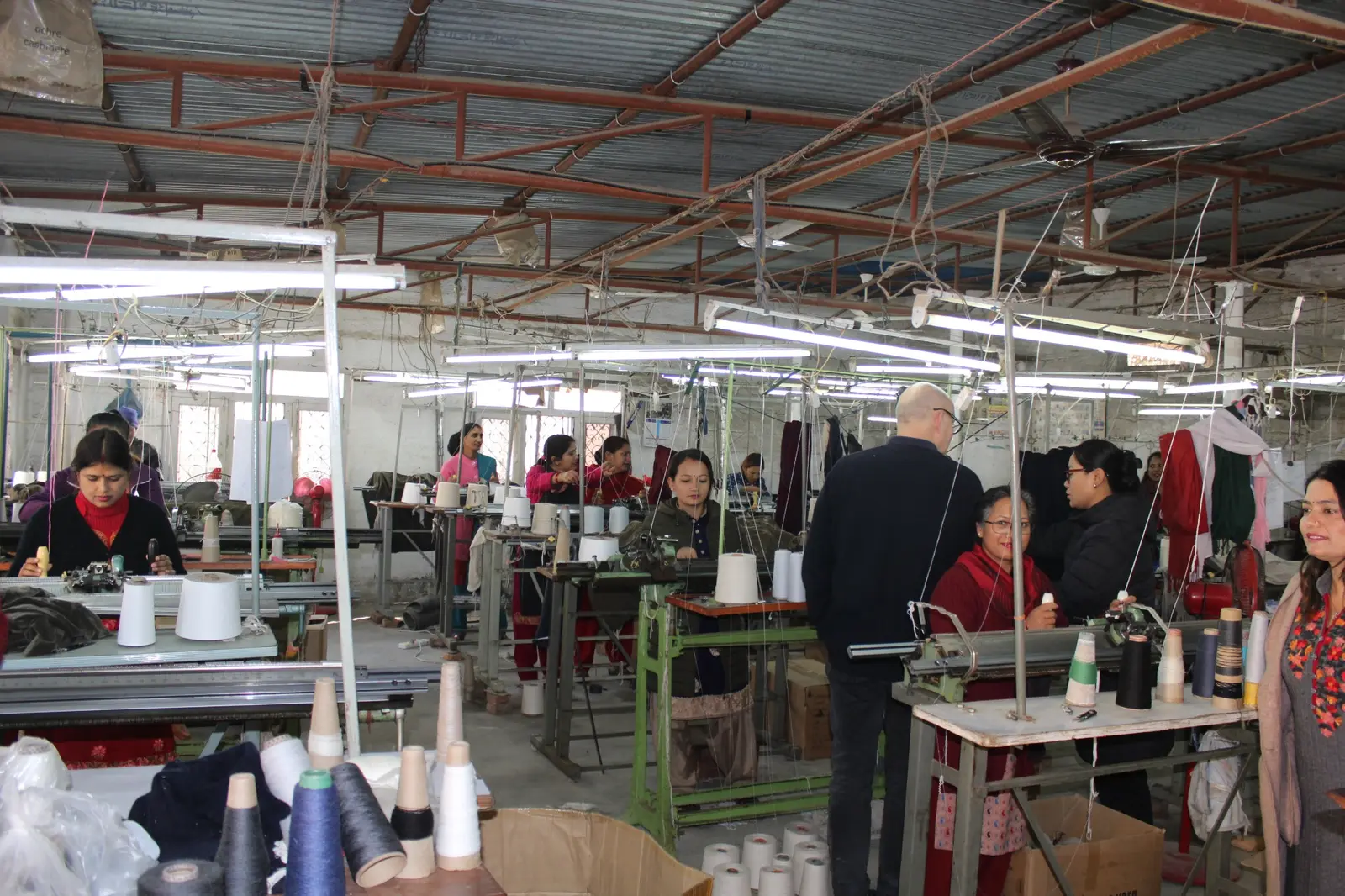
People we know
Long-term production relationships give us direct visibility of the workplace and the skilled team making Ochre garments.
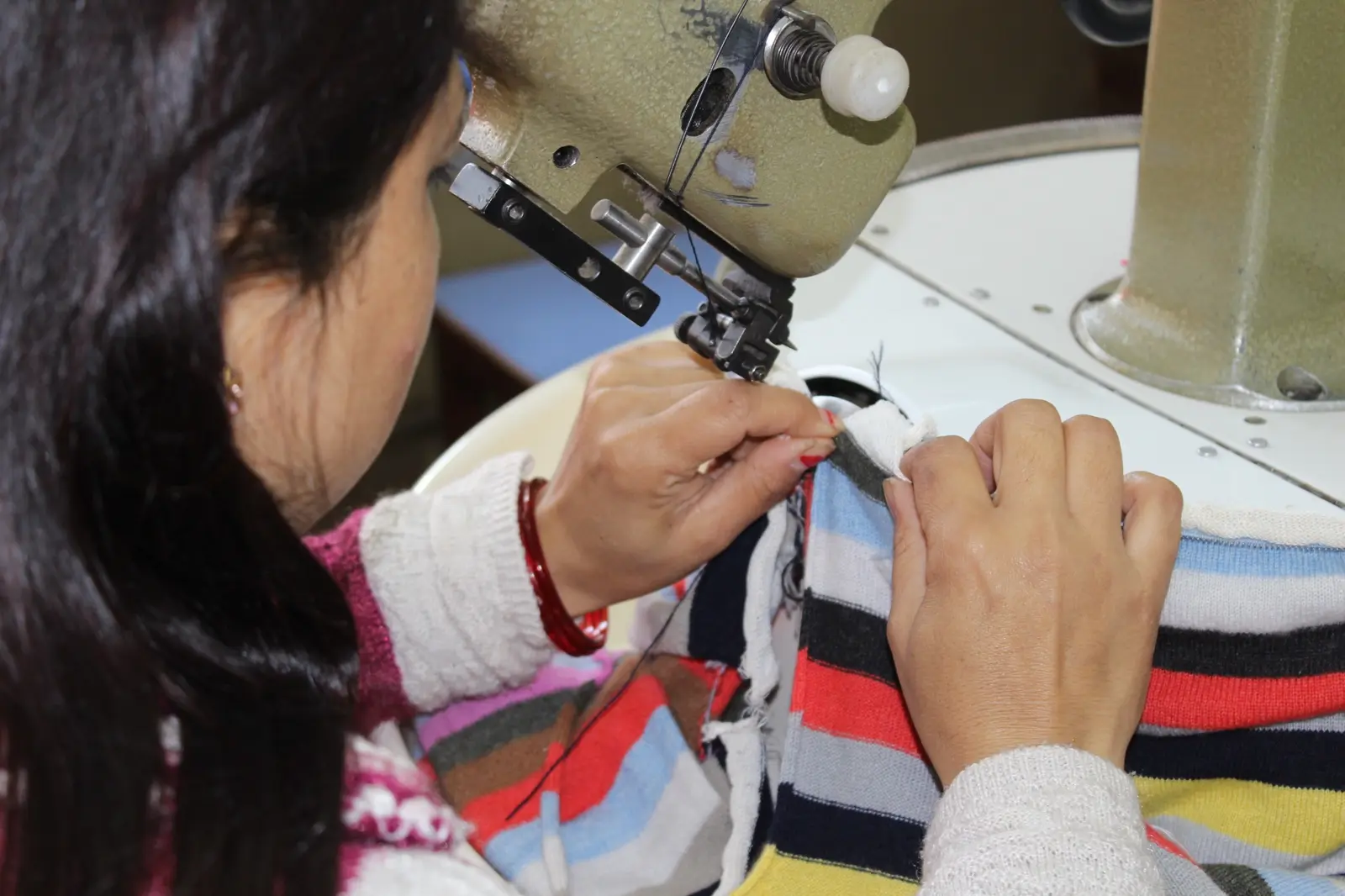
Skills that matter
Hand-machine knitting, linking, assembly and finishing require experience. Care at each stage supports fit, quality and longevity.

Measured and checked
Each garment is measured against its intended proportions before leaving Kathmandu, supporting consistent fit, careful quality control and longer wear.
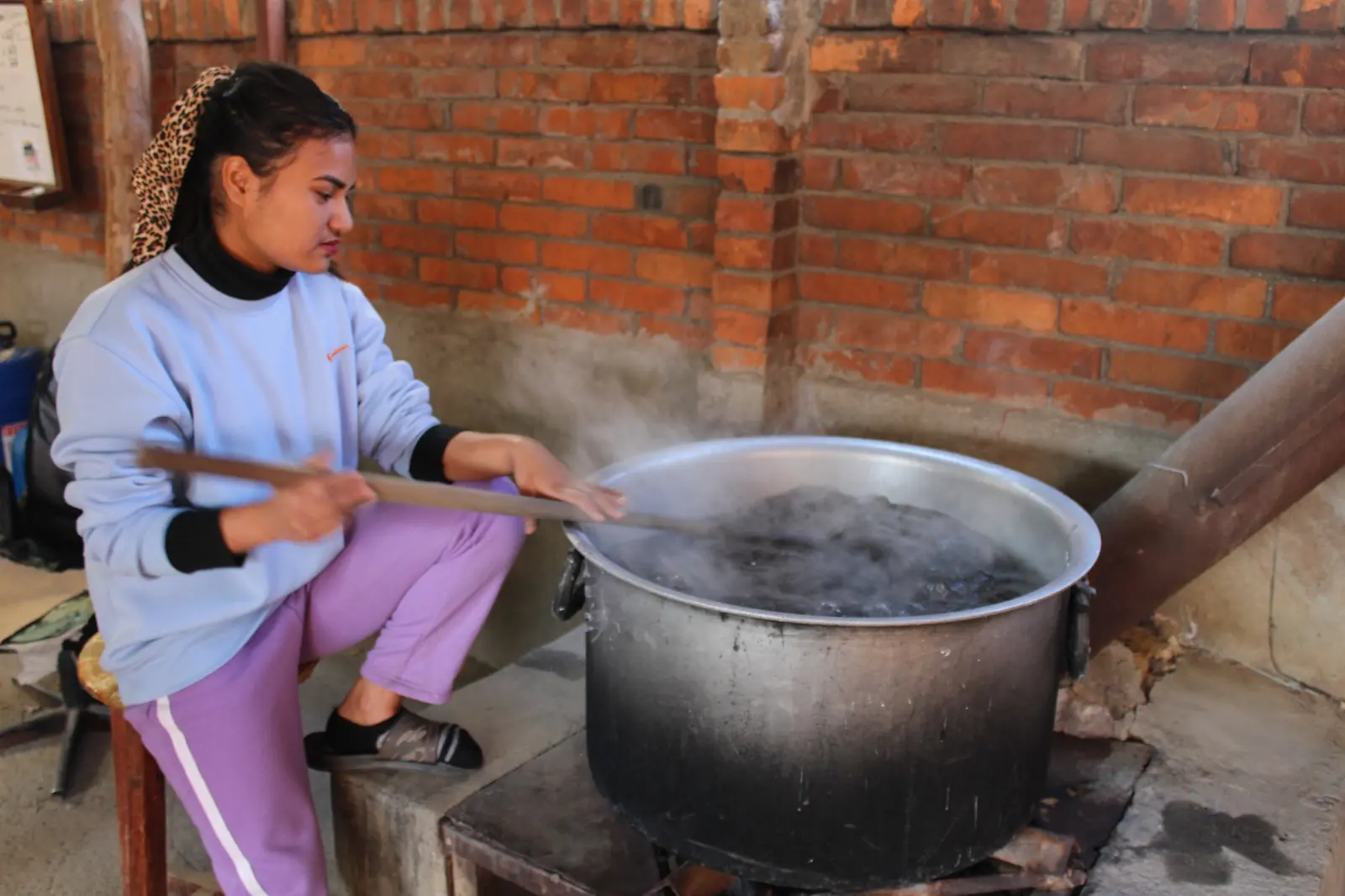
Made close to the process
Our own Kathmandu production
Ochre garments are made across our own production sites in Kathmandu. Keeping production close gives us oversight from the first knitted panels to the final quality check.
From yarn preparation and dyeing to knitting, linking and final checks, the work stays close to the people responsible for the finished garment. Each stage receives careful attention to seams, trims, proportion and feel.
- Direct, long-standing relationships with our production team
- Hand-machine techniques supported by experienced finishing
- Quality checks before garments leave Kathmandu
- Local sourcing of packaging, tags and services where practical
Natural fibres, honestly considered
Choosing the right fibre for the right garment
Natural does not automatically mean impact-free. We consider where a fibre comes from, how it performs, how it should be cared for and whether the finished garment is likely to remain useful for years.
Organic cotton
Soft, breathable and comfortable against the skin, organic cotton works especially well for light layers and transitional knitwear. Our organic cotton yarns are GOTS certified.
Linen
Linen is naturally breathable, strong and temperature regulating. It softens with wear while retaining the character that makes it valuable in warm-weather clothing. Our organic linen yarns are GOTS certified.
Cashmere, lambswool and merino
These fibres provide warmth, softness and insulation in different ways. We select them for the garment they need to become, balancing handle, structure and practical wear.
Yak and mohair
Yak brings warmth and a distinctive natural texture, while mohair creates lightness and a soft halo. Clear fibre descriptions help customers choose the right feel and care routine.
Why GOTS matters: the Global Organic Textile Standard sets requirements for the processing of organic fibres and includes environmental and social criteria. You can read more on the official GOTS website.
Thoughtful production
Making carefully and avoiding unnecessary waste
Sustainability is shaped by many practical decisions rather than one sweeping claim. We focus on the parts of production we can see, manage and continue to improve.
Knitted to shape
Forming garments to their intended measurements helps use yarn precisely and reduces the dependence on cutting shapes from large areas of finished fabric.
Material planning
Yarn use is planned around each style, size and knit construction. The aim is to avoid preventable excess while maintaining the quality the garment requires.
Quality before quantity
Secure seams, balanced proportions and careful finishing matter because a garment that loses its shape quickly is wasteful, regardless of the fibre on its label.
Local contribution
Packaging, tags, transport and other services are sourced within Nepal where practical, helping more of the production value remain within the local economy.
The longest life possible
Good care is part of sustainable knitwear
Even a beautifully made natural-fibre garment needs suitable care. Washing only when necessary, following the label and storing knitwear properly can reduce stress on the fibres and help the piece keep its shape.
Air between wears
Natural fibres often benefit from airing, which may reduce unnecessary washing.
Follow the label
Different fibres and constructions need different temperatures and washing methods.
Dry with support
When the care label allows washing, reshape knitwear and dry it without pulling its weight.
Store folded
Clean, dry and folded storage helps protect shoulders and reduces stretching.
An ongoing commitment
We do not consider sustainability finished
We are proud of our close production relationships, natural-fibre focus and skilled approach to making. However, responsible business requires continued attention. We keep reviewing material use, packaging, transport and production choices, and we will update this page as our practices develop.
If you would like information about the composition, origin or care of a particular garment, please contact the Ochre team. A specific answer is more useful than a vague promise.
Questions About Ochre’s Sustainable Knitwear
What makes Ochre Knitwear’s approach more sustainable?
Ochre keeps production close through its own Kathmandu sites, uses natural fibres chosen for their purpose, plans yarn use carefully and focuses on construction and care that support a longer garment life. We treat sustainability as ongoing work rather than a perfect or absolute claim.
Where is Ochre knitwear made?
Ochre knitwear is made in Kathmandu, Nepal. Skilled team members use hand-operated knitting machines before garments are linked, assembled, finished and quality checked.
Is Ochre organic cotton GOTS certified?
Ochre’s organic cotton yarns are GOTS certified. GOTS covers the processing of certified organic fibres and includes environmental and social requirements throughout relevant stages of the textile supply chain.
Are all natural fibres automatically sustainable?
No. Every fibre has an environmental impact, and the word “natural” does not remove it. Origin, processing, garment construction, frequency of wear and care all influence the fuller picture.
How does knitting a garment to shape reduce waste?
Knitting panels to their intended shape and measurements allows yarn to be used more precisely. It can reduce the cutting waste associated with making garment shapes from larger sheets of finished fabric.
How can I help my knitwear last longer?
Follow the garment’s care label, air it between wears, avoid unnecessary washing and store it clean, dry and folded. Treat pilling and small areas of wear gently rather than using aggressive tools.
Choose with confidence
Natural-fibre knitwear with a story you can trace
Explore pieces made with care in Kathmandu and designed to remain useful beyond one season.