
Introduction
Cashmere is often associated with softness and luxury, yet not all cashmere feels the same. Some garments feel exceptionally smooth and refined, while others can feel rough, thin, or lose their shape quickly.
Understanding why cheap cashmere feels different is essential for making better choices. It allows you to recognise quality not through branding or price alone, but through the material itself.
At Ochre Knitwear, this difference defines everything — from sourcing to construction.
The Role of Fibre Length
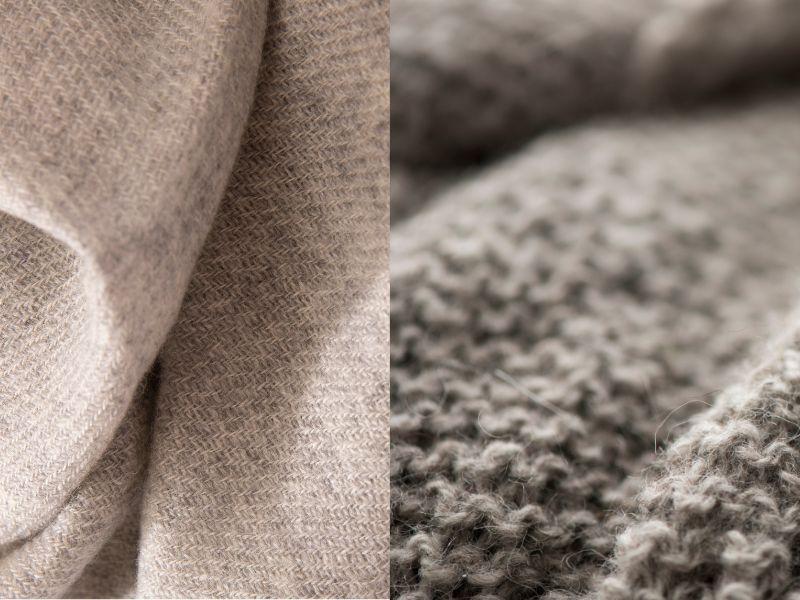
The quality of cashmere begins at fibre level. Longer fibres create smoother, stronger yarns, while shorter fibres tend to break more easily.
This is why lower-quality cashmere often pills quickly. The fibres are simply not long enough to maintain structure.
Why Texture Tells the Truth
High-quality cashmere feels soft without being fragile. It has a certain density — a quiet strength beneath its softness.
Cheaper alternatives may feel soft at first, but often lack resilience. Over time, they lose shape and texture.
Knowing how to use a cashmere brush properly helps maintain quality, but it cannot compensate for poor fibres.
Construction Matters as Much as Material
Even good fibres can be compromised by poor construction. Loose knitting, uneven tension, and weak finishing all affect how the garment performs.
Choosing well-made pieces — such as lightweight cashmere jumpers for UK weather — ensures both comfort and durability.
Long-Term Value vs Short-Term Cost
Cheap cashmere often feels like a saving, but it rarely lasts. High-quality cashmere, on the other hand, improves with time — becoming softer and more comfortable.
Understanding why cashmere gets softer over time highlights the difference between temporary and lasting value.
Conclusion
Not all cashmere is equal. Recognising the difference allows you to invest in pieces that feel better, last longer, and become part of your wardrobe over time.


